
How to Prevent Roof Leaks: The Ultimate Southern California Homeowner’s Checklist (2026)
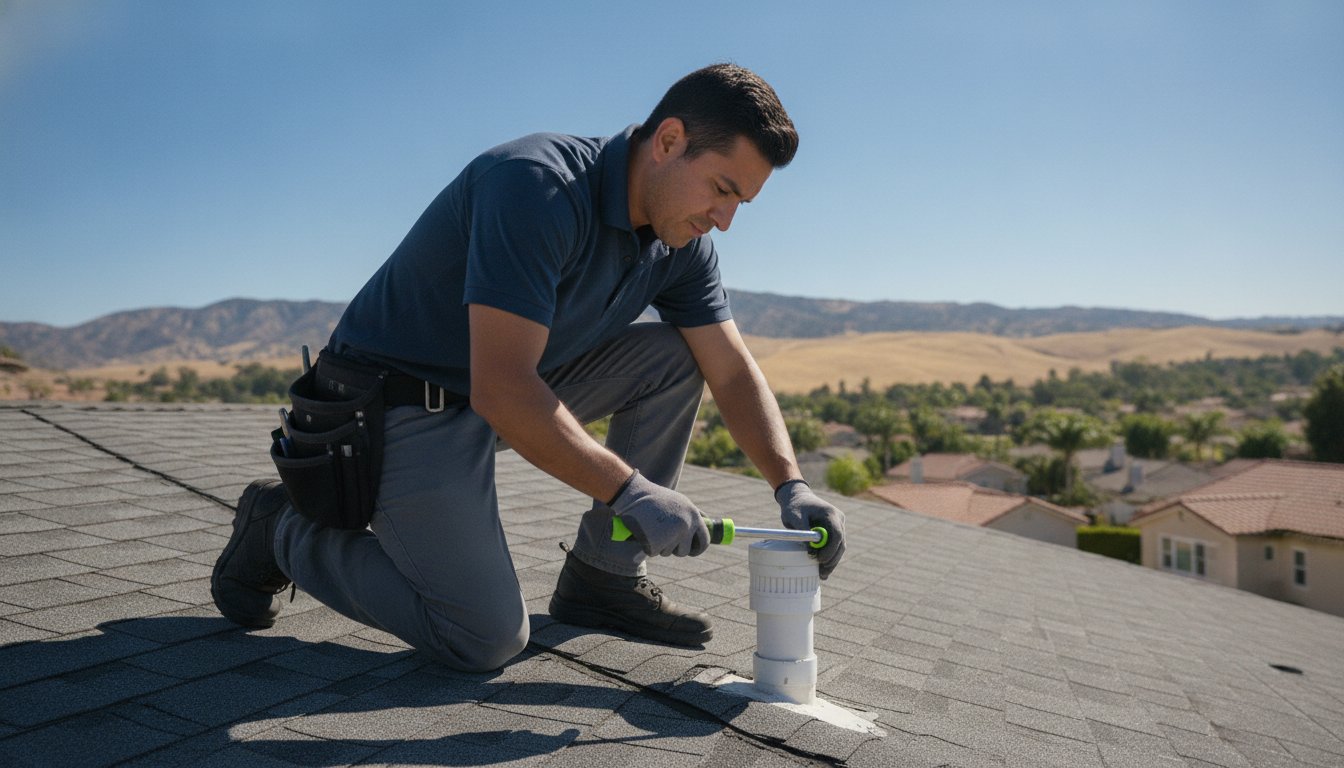
What if the biggest threat to your home isn't the rain, but the relentless Southern California sun? While most homeowners only think about their roof when the clouds turn gray, the true damage often happens during our long, scorching summers. By the time the first 2026 winter storm hits the Inland Empire, UV-driven degradation has already done the heavy lifting. Learning how to prevent roof leaks before the rainy season begins is the most effective way to protect your furniture, electronics, and peace of mind.
We understand the anxiety that comes with seeing a water spot on the ceiling or hearing a mysterious drip in the middle of the night. It's frustrating to face technical jargon and even more stressful to worry about the high cost of a full replacement. This guide simplifies the process. We've developed a professional maintenance checklist designed specifically for our local climate, from Lake Elsinore to Orange County. You'll discover how to identify early warning signs, understand new Title 24 energy standards, and perform the essential tasks that extend the life of your investment.
Key Takeaways
- Understand how intense UV rays in the Inland Empire cause shingle brittleness and why true prevention starts at the underlayment level.
- Learn how to use a biannual checklist to prevent roof leaks by separating simple ground-level observations from technical professional inspection points.
- Identify flashing and roof penetrations as the primary failure points where water most often bypasses your home's defenses.
- Discover how a proactive Roof Tune-Up serves as a cost-effective alternative to the high expenses associated with a full roof replacement.
- Explore why working with a local Lake Elsinore expert provides the stability and specialized knowledge required for Southern California's unique building codes.
Why Prevention is Critical in the Southern California Climate
In Southern California, the term "prevention" describes the active process of stopping moisture before it ever reaches your home's underlayment or structural decking. Most homeowners wait for a ceiling stain to appear before calling a professional, but that approach is reactive and expensive. For those living in Lake Elsinore, San Diego, or the wider Inland Empire, the window to prevent roof leaks is narrow. Our regional weather cycle dictates a specific timeline; you should consider October 1st as the final deadline for a thorough inspection. Once the rainy season begins in earnest and continues through March, small vulnerabilities quickly turn into major repair bills that could have been avoided with simple foresight.
The UV Factor: Heat as a Catalyst for Leaks
While rain causes the leak, the sun usually creates the opening. The relentless 100-degree summers in Riverside and San Bernardino Counties act like a slow-motion oven for your roof. Intense UV rays strip the protective granules from composite shingles, leaving the underlying asphalt exposed and brittle. In many older Southern California homes, this constant heat "bakes" the organic felt underlayment until it becomes fragile and loses its water-shedding capabilities. Thermal shock is the rapid expansion and contraction of roofing materials caused by extreme temperature swings between scorching afternoons and cool desert nights, and it's a leading cause of cracks in Southern California tile roofs.
Wind-Driven Rain and Your Roof’s Defense
Our geography subjects us to the Santa Ana winds, which frequently produce gusts exceeding 60 miles per hour. These winds create a powerful vacuum effect that can lift shingles or shift heavy concrete tiles out of alignment. When a storm hits, these high-velocity winds force rain upward and underneath the edges of your roofing materials. This is why properly installed Flashing at valleys and chimneys is so vital. Riverside County building codes emphasize wind uplift ratings because your roof's defense relies on every component staying locked in place. If your hip and ridge caps are loose, the wind provides an easy path for water to bypass your shingles and soak directly into the wood structure below.
The Ultimate Homeowner’s Checklist to Prevent Roof Leaks
Safety is the first priority when evaluating your roof's condition. In communities across the Inland Empire, tile roofs are standard, but they are notoriously fragile. Homeowners should never walk on a tile roof; doing so often causes more damage than it prevents by cracking the very tiles that keep you dry. Instead, a successful strategy to prevent roof leaks relies on a combination of ground-level observation and expert evaluation. By following a structured approach to ongoing inspections and proper maintenance, you can spot vulnerabilities before they become emergencies.
Your biannual assessment should be divided into tasks you can safely perform and those that require a professional's eye. Catching a slipped tile or a clogged valley early can save you from the stress and expense of an expert roof leak repair in Riverside CA later. Use the following checklist to guide your routine:
- DIY Ground-Level Check: Use binoculars to scan for missing, cracked, or slipped tiles and shingles.
- DIY Eave Inspection: Look for "daylight" through gable vents or under the eaves from inside your attic.
- DIY Gutter Check: Inspect for heavy accumulation of granules or organic debris.
- Professional Inspection: Verify the integrity of sealants around pipes and chimneys.
- Professional Underlayment Review: Assess the elasticity of the moisture barrier beneath your tiles.
Visual Inspection: What to Look for from the Ground
You don't need to leave the ground to find red flags. Grab a pair of binoculars and walk the perimeter of your property. Look specifically for shingles that are curling at the edges or "balding" spots where the protective granules have washed away. For tile roofs, check for any gaps in the uniform pattern, which indicates a tile has slipped or cracked due to thermal shock. If you notice a sagging roofline or dipping sections, this could indicate structural moisture damage. Identifying these issues now is the most reliable way to prevent roof leaks before the next Riverside County storm.
Gutter and Drainage Maintenance
A roof is only as good as its drainage system. When gutters are clogged with leaves or silt, water cannot exit the roof surface quickly. This standing water eventually backs up under the eave's edge, soaking the fascia boards and rotting the wooden roof deck. We recommend cleaning your gutters at least twice a year, specifically after the fall leaf drop and again before the spring rains. Ensure your downspout extensions are clear and directing water at least three feet away from your home's foundation to avoid secondary moisture issues. If you're unsure about the state of your drainage, a professional Roof Tune-Up can ensure your system is ready for the season.

Inspecting Critical Vulnerabilities: Flashing and Penetrations
While most homeowners focus on the condition of their shingles or tiles, the majority of water intrusion begins at the joints and openings. Flashing is the primary failure point in Southern California roofing systems. These metal transitions are designed to bridge the gap between your roof and vertical surfaces like chimneys or walls. However, the extreme thermal expansion common in the Inland Empire causes these metal components to pull away from the structure over time. To effectively prevent roof leaks, you must understand that the sealants used to waterproof these areas often have a much shorter lifespan than the roofing materials themselves. While a high-quality tile or shingle might last decades, polyurethane sealants can begin to degrade in as little as five to seven years under the intense Southern California sun.
Because these vulnerabilities are often invisible from the ground, the National Roof Certification and Inspection Association suggests annual roof inspections to identify sealant fatigue before the first raindrop falls. This proactive approach is especially critical for homes in high-heat corridors like Corona and Anaheim, where temperature swings accelerate material breakdown.
Flashing Integrity and Sealant Health
Metal flashing should be flush against the roof and sealed tightly to the adjoining wall. During your assessment, look for rusted metal or gaps where the flashing has "bowed" away from the chimney. A critical but often overlooked component is the kick-out flashing. This small piece of metal is responsible for directing water away from the siding and into the gutter system. Without it, water runs down the wall and seeps behind the stucco, causing hidden dry rot. When we perform a Roof Tune-up, we use industrial-grade, UV-resistant sealants that are specifically formulated to withstand the unique climate demands of Riverside and San Diego Counties.
Roof Penetrations: Vents, Pipes, and Skylights
Every hole cut into your roof for a pipe, vent, or skylight is a potential entry point for water. Plumbing vent pipes are usually sealed with a rubber "boot." In our region, these rubber components often crack and dry out long before the rest of the roof shows age. Large chimneys also require a "cricket," which is a small peaked structure designed to divert water around the chimney's base. If debris like pine needles or leaves accumulates behind this cricket, it creates a dam that forces water upward and under the tiles. Skylights are another major concern. In the constant San Diego sun, the gaskets around the glass can shrink and lose their flexibility. Regular maintenance ensures these gaskets remain watertight, protecting your home's interior from sudden ceiling leaks.
Professional Solutions to Extend Roof Life and Stop Leaks
Many homeowners assume that once a roof reaches middle age, a complete overhaul is the only option. This is rarely the case. A professional Roof Tune-Up acts as a comprehensive preventative service that addresses small issues before they snowball. When you compare the manageable cost of routine maintenance to the total roof replacement cost in Southern California, the value of early intervention becomes clear. Investing in these targeted solutions is the most reliable way to prevent roof leaks while maximizing the lifespan of your existing structure. We focus on restoring integrity through craftsmanship rather than pushing for unnecessary replacements.
Tile Roof Lift and Relay: Solving the Underlayment Issue
Concrete and clay tiles are popular in Murrieta and Temecula for their aesthetic appeal and fire resistance. However, the tiles themselves don't keep your home dry; they are merely a protective shell for the underlayment underneath. Over 20 to 30 years, the original felt underlayment becomes brittle and fails. A "Lift and Relay" is the gold standard for long-term protection. We carefully remove your existing tiles, replace the old barrier with heavy-duty 40lb felt, and then reinstall your original tiles. This process restores the roof's integrity at a fraction of the cost of a full new system. It addresses the root cause of leaks without wasting perfectly good exterior materials.
Roof Rejuvenation: The Modern Alternative to Replacement
For those with asphalt composite shingles, Roof Rejuvenation offers a cutting-edge path to longevity. As shingles age, they lose the essential oils that keep them flexible. This leads to cracks and granule loss. Our bio-based oil treatment penetrates deep into the shingles, restoring their suppleness and sealing micro-cracks before they expand. This treatment can add 5 to 15 years to your roof's functional life. It's an eco-friendly, budget-conscious choice for 2026 that keeps roofing materials out of local landfills while effectively stopping moisture in its tracks. By restoring the shingle's ability to shed water, you can prevent roof leaks and delay the need for a total tear-off.
If you want to secure your home's future, schedule a professional Roof Tune-Up today to identify the right preventative path for your property.
Partnering with a Local Expert for Long-Term Protection
Choosing a contractor shouldn't feel like a gamble. In Southern California, roofing companies often come and go with the seasons. We take a different approach. UEC Roofing operates with a "Roofer for Life" philosophy. This means we treat your home as a long-term responsibility rather than a single project. Our brick-and-mortar presence in Lake Elsinore provides a mark of stability you won't find with out-of-area companies that disappear after the first big storm. With more than 2,000 successful projects completed across the Inland Empire, we have the regional knowledge to help you prevent roof leaks effectively. We pride ourselves on being straight shooters, someone who is honest, dependable, and focused on doing the job right the first time. Our reputation is built on honesty and ethical conduct.
The UEC Roofing Tune-Up Advantage
A professional tune-up is more than a quick glance. It's a comprehensive health check for your home's most critical defense. Our process includes thorough debris removal from valleys, a complete refresh of all pipe and vent sealants, and a meticulous check for slipped or cracked tiles. We also perform professional attic ventilation checks. Many apparent leaks are actually the result of internal condensation caused by poor airflow. Proper ventilation keeps your roof deck dry and prevents the wood rot that often leads to structural failure—a principle emphasized by climate professionals like Ultra Air Heating and Cooling. Scheduling this service before the next Southern California rain event is a proactive way to prevent roof leaks and secure your property. It provides the peace of mind that comes from knowing an expert has verified every detail.
Your Trusted Partner from Riverside to San Diego
Our commitment to quality workmanship extends through Riverside, Orange, San Diego, Los Angeles, and San Bernardino Counties. We understand the specific building codes and environmental challenges of each region. Our crews maintain deep expertise in specialized systems including tile, composite shingle, metal, foam, and flat roofing. This versatility allows us to provide tailored solutions that prioritize property value regardless of your home's architectural style. We believe in the weight of our reputation and the quality of our craftsmanship. Your roof is a shield for your family and your investment. We treat it with the respect it deserves, ensuring every repair and maintenance task meets our high professional standards.
Contact UEC Roofing today for a comprehensive preventative inspection.