
Essential Tile Roof Maintenance Tips for Southern California Homeowners
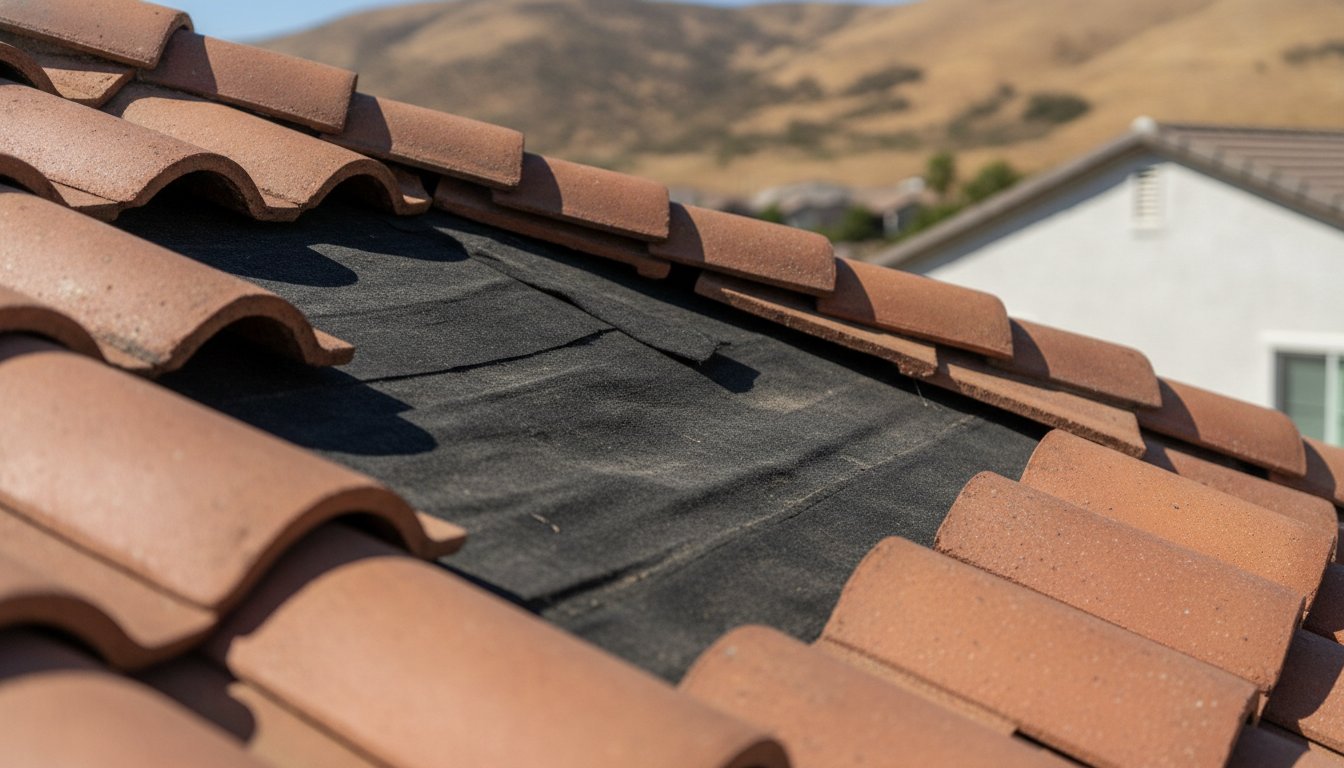
Your 50-year tile roof might actually be a 15-year liability in disguise. While the clay or concrete tiles themselves are built to withstand the intense sun of the Inland Empire for decades, the waterproof underlayment hidden beneath them often fails much sooner. It's a frustrating reality for many homeowners in Orange County and Los Angeles who discover leaks despite their roof appearing perfectly intact from the street. Understanding these technical nuances is the first step in mastering tile roof maintenance tips that actually protect your property value.
We understand the anxiety that comes with potential water damage or the high cost of a full replacement. You chose tile because you value durability and professional craftsmanship. This article shares the professional maintenance strategies required to protect your roof from Southern California’s unique climate and extend its lifespan by decades. We'll provide a clear preventative maintenance schedule, explain the critical difference between tile life and felt life, and help you identify when it's time to call a trusted partner from Lake Elsinore for a professional inspection across San Diego and San Bernardino Counties.
Key Takeaways
- Understand that your tile roof is a dual-layer system where the hidden waterproof underlayment is just as critical as the visible tiles.
- Learn actionable tile roof maintenance tips, such as how to perform bi-annual visual inspections and clear debris from valleys to prevent water backup.
- Discover why Southern California’s intense heat causes standard roofing felt to degrade faster than the tiles themselves, leading to unexpected leaks.
- Identify how to protect your home from regional threats like Santa Ana winds and wildfires through proper tile fastening and bird-stopping.
- Explore professional maintenance options like the Lift and Relay or Roof Rejuvenation to extend your system's life without the cost of a full replacement.
Understanding the Southern California Tile Roof System
Your tile roof is a sophisticated, dual-layer assembly. Most homeowners see the beautiful clay or concrete surface and assume it's the only thing keeping them dry. In reality, the tiles act as a watershed. They shield the structure from impact and sun. The underlayment underneath serves as the true waterproof barrier. This distinction is the foundation of effective tile roof maintenance tips. If you ignore the barrier because the surface looks good, you're inviting hidden damage to your home's structure.
In the intense heat of the Inland Empire, organic roofing felt has a definite shelf life. While the tiles can easily last 50 years or more, standard asphalt-saturated felt often degrades after just 20 years. This gap creates a dangerous window. The tiles look perfect, but the protection underneath is paper-thin and brittle. Implementing professional tile roof maintenance tips bridges this gap. It ensures the secondary barrier remains intact as long as the tiles themselves, protecting your investment for the long haul.
The Role of Clay and Concrete Tiles
Understanding Roof Tiles is about more than just aesthetics. Traditional clay tiles are prized for their color-fastness and traditional appeal. Modern concrete tiles offer incredible structural strength and versatility. Both materials provide high thermal mass. This is a major benefit for homes in Riverside and San Bernardino Counties. These tiles absorb heat during the day and release it slowly at night. This keeps your attic cooler and lowers your energy bills. They also act as a permanent shield against UV radiation. UV is the primary enemy of your roof's internal components.
Why Regional Climate Matters for Maintenance
Our local environment is tough on building materials. In the Inland Empire, relentless UV exposure causes tiles to expand and contract daily. This movement can eventually loosen fasteners or cause hairline cracks. For residents in coastal cities like Huntington Beach and Carlsbad, the salt air is a unique challenge. Salt accelerates the corrosion of metal flashings and tile fasteners. You might also hear contractors mention dry rot. In our arid climate, this usually refers to wood components that have lost their structural integrity due to heat and fungal growth. It is rarely about constant moisture.
As a local contractor based in Lake Elsinore, we've seen how Southern California weather patterns specifically target weak points in tile systems. Investing in regular care isn't just about fixing leaks. It's about protecting the equity in your home. A well-maintained tile system is a premium asset. It provides security for your family and long-term value for your property in Los Angeles and Orange Counties.
The Homeowner’s Tile Roof Maintenance Checklist
Consistency is the most effective tool for extending the life of your roofing system. For homeowners in the Inland Empire and Orange County, the best time for a checkup is twice a year. Schedule these inspections in late spring and again in early autumn before the winter rainy season begins. These simple tile roof maintenance tips allow you to spot minor issues before they evolve into costly structural repairs.
Look for these specific warning signs during your walkthrough:
- Slipping Tiles: Tiles that have shifted out of alignment often indicate a failure in the fasteners or the wood battens beneath.
- Efflorescence: This white, chalky buildup on the tile surface is more than just an eyesore. It suggests the tile is absorbing moisture rather than shedding it.
- Valley Debris: Check the areas where roof planes meet. Concentrated water flow in these valleys can easily be blocked by leaves or pine needles.
- Gutter Fragments: Check if your gutters contain tile grit or small broken pieces. This is a clear sign of material degradation or impact damage.
Safe Visual Inspection Techniques
Safety is the priority. We maintain a strict "No-Walk" rule for homeowners. Walking on tiles without professional training often causes more damage than it prevents. Clay and concrete tiles are surprisingly brittle under the weight of a footstep. Instead, use a pair of high-powered binoculars from the ground. Walk the perimeter of your home to spot hairline cracks or crooked tiles. Don't forget to check the attic. Look for pinpricks of daylight or dark water staining on the rafters. These are early indicators that your underlayment is failing.
Debris Management and Drainage
Accumulated debris is a silent killer for tile roofs. Leaves and needles create "dams" in the valleys and around chimney flashings. These dams force water to travel sideways, often pushing it under the tiles and directly onto the felt underlayment. This pressure accelerates wear on the waterproof barrier. Pay close attention to skylights and roof-to-wall transitions where debris tends to collect. Keeping your gutters clear is also essential. Blocked drainage causes water to back up, leading to rot in the fascia boards and eaves. If you find significant buildup, a professional roof tune up can clear these critical areas and restore proper drainage. Implementing these tile roof maintenance tips ensures your home remains a safe haven against the elements.
The Invisible Threat: Underlayment and Felt Replacement
A common myth suggests that as long as your tiles are in place, your home is safe. This is a dangerous misconception. Your clay or concrete tiles are incredibly durable, but they aren't waterproof. They are designed to shed the majority of the water, while the underlayment beneath them provides the final line of defense. In the Inland Empire, standard organic felt often becomes brittle and fails long before the tiles show any wear. This is the primary cause of the "15-year leak" on a "50-year roof."
Detecting underlayment failure is difficult from the ground. When we perform inspections, we look for "alligatoring." This is a pattern of cracks in the felt that resembles reptile skin. It indicates that the oils in the asphalt have dried out due to Southern California's intense heat. Once the felt reaches this state, it can no longer protect your home during a heavy downpour. Prioritizing roof felt replacement every 20 to 25 years is one of the most critical tile roof maintenance tips for long-term property protection.
What is a Lift and Relay?
The "Lift and Relay" is the gold standard for maintaining a tile system. Our team carefully removes your existing tiles and stacks them on the roof. We then strip away the old, failing felt and inspect the wood deck for any signs of rot. After installing a high-quality synthetic underlayment, we re-install your original tiles. This process is highly cost-effective. You get a completely waterproof system without the expense of buying new tiles. For modern homes, we recommend synthetic underlayment because it offers superior heat resistance and a much longer lifespan than traditional organic felt.
When to Replace vs. When to Repair
Timing is everything. If your roof is approaching the 20-year mark, a simple "tune-up" might only be a temporary fix. During a relay, we also assess the condition of the horizontal wood battens and the metal flashings. These components are often overlooked but are essential for structural integrity. Addressing these issues proactively prevents the sudden roof replacement cost spikes that occur when a leak causes interior ceiling damage. Following expert tile roof maintenance tips means knowing when to invest in the underlayment to save the entire system. It's a strategic move that preserves your equity and ensures your family stays dry during the winter months.

Protecting Your Roof Against SoCal Environmental Factors
Southern California weather is famous for its extremes. Beyond the constant sun, homeowners must contend with high-velocity wind events and seasonal wildfire risks. These environmental stressors require specialized tile roof maintenance tips that go beyond simple cleaning. If your roof isn't prepared for the Santa Ana winds or the fire season, your property is at risk.
Wildfire Readiness and Tile Maintenance
A tile roof offers a Class A fire rating, which is the highest level of protection available. This is essential for homes in high-fire-threat districts like Lake Elsinore and the foothills of San Bernardino County. Gaps in your tiles are an open invitation for flying embers. Maintaining your "bird stops" or eave closures is a critical safety step. These components block embers from entering the channels under your tiles. If these closures are broken, your non-combustible tiles won't stop a fire from starting in your attic.
Santa Ana Winds and Fastener Integrity
The Santa Ana winds are a unique challenge for residents in the Inland Empire and Orange County. These gusts create a phenomenon called wind uplift. High-velocity air moves over the roof, creating a vacuum that pulls on the tiles. If your fasteners are corroded or the tiles aren't properly clipped, they can shift or lift entirely. Even a small amount of movement can break the seal of the underlayment. After a windstorm, perform a visual check for any tiles that look crooked or out of place.
Attic ventilation also plays a massive role in roof longevity. Without proper airflow, heat builds up in the attic and "cooks" the underlayment from the inside out. This accelerates the degradation of the waterproof barrier. We recommend a professional inspection to ensure your vents are clear and your fasteners are secure. If you've recently experienced high winds or are preparing for fire season, contact us for expert Roofing Services to verify your roof's safety and ensure your home is protected against these regional elements. These proactive tile roof maintenance tips are the best way to avoid emergency repairs during a storm.
Professional Maintenance: The UEC Roof Tune-Up
While visual checks from the ground are helpful, they cannot replace the precision of a professional evaluation. A tile system is complex. It requires an expert eye to identify the subtle failures that lead to major leaks. By integrating professional tile roof maintenance tips into your home care routine, you move beyond guesswork. You gain the peace of mind that comes from a documented, high-standard inspection performed by a local leader.
UEC Roofing has served as the "Roofer for Life" for over 2,000 families across the Inland Empire and Orange County. Based in Lake Elsinore, we treat every roof as a critical investment. We understand that your roof protects your family and your property value. Our team brings decades of regional experience to every project, ensuring your home is ready for whatever the Southern California climate delivers.
What Happens During a Professional Tune-Up?
Our Roof Tune-Up is a comprehensive service designed to restore your system's integrity. It's more than a quick look. We replace a designated number of cracked or broken tiles to ensure the watershed remains intact. Our technicians also clean out debris from "dead valleys" and hidden channels that homeowners simply can't reach safely. We reseal all roof penetrations, including chimneys, skylights, and vents, using high-grade sealants. Finally, you receive a detailed report on the remaining life of your underlayment. This allows you to plan for future needs without the stress of unexpected failures.
Roof Rejuvenation: The Modern Alternative
If your underlayment is beginning to show its age but hasn't failed yet, Roof Rejuvenation is a powerful option. This modern treatment can add 5 to 15 years to your roof's lifespan by restoring the essential oils in asphalt-based components. It's a strategic middle ground between minor repairs and a full replacement. This science-based approach keeps your waterproof barrier flexible, allowing it to withstand the thermal expansion common in Riverside and San Bernardino Counties. If you're planning to sell your home, a professional roof certification following a tune-up can be a significant selling point in markets like San Diego or Los Angeles. Don't wait for a rainy winter to discover a problem. Schedule your professional roof tune-up with UEC Roofing today to ensure your home remains protected for years to come. These proactive tile roof maintenance tips are the most effective way to extend the life of your investment.
Secure Your Home’s Long-Term Protection
Your tile roof is a premium asset that requires specialized care to withstand the unique Southern California climate. Success begins with acknowledging that while your tiles may last 50 years, the waterproof underlayment beneath them needs proactive attention. By implementing the tile roof maintenance tips discussed here, you can identify slipping tiles, clear debris dams, and address the "invisible threat" of brittle felt before water ever enters your living space.
UEC Roofing is your trusted local partner for maintaining this critical investment. We've completed over 2,000 successful roofing projects across the region and operate as a principled, brick-and-mortar expert based in Lake Elsinore. Our team offers specialized expertise in Lift and Relay and Roof Rejuvenation systems, providing you with high-quality, cost-effective alternatives to premature replacement. We take immense pride in our craftsmanship and our reputation for being a dependable professional in the roofing industry.
Protect your home with a professional tile roof inspection from UEC Roofing. We're here to help you extend the life of your roof and provide the stability your property deserves for decades to come.
Frequently Asked Questions
How often should a tile roof be inspected in Southern California?
You should schedule a professional inspection twice a year to maintain your home’s structural integrity. Ideally, these visits occur in the spring and autumn to prepare for seasonal weather shifts. In the Inland Empire, intense summer heat can expand tiles, while the winter rainy season tests the waterproof underlayment. Regular checkups allow you to apply tile roof maintenance tips effectively before minor issues become major structural problems.
Can I pressure wash my tile roof to remove stains?
You should never pressure wash a tile roof, as the high-velocity water can cause irreversible damage. The pressure often strips the protective finish from concrete tiles or forces water directly into the delicate underlayment. Instead of using high pressure, we recommend professional cleaning methods that use appropriate solutions to remove stains. This approach protects the roof's structural components and ensures the waterproof barrier remains intact without the risk of high-pressure intrusion.
Why is my tile roof leaking if the tiles aren’t broken?
A leak usually indicates that your underlayment has failed, even if the tiles appear perfectly intact from the street. While the tiles shed the majority of the water, the asphalt felt underneath provides the actual waterproofing for your home. In Southern California, this felt often becomes brittle or "alligatored" over time due to relentless heat. When the underlayment cracks, water bypasses the tiles and enters your home, requiring expert tile roof maintenance tips to address the hidden barrier.
Is it safe to walk on a clay or concrete tile roof?
It is not safe for homeowners to walk on their clay or concrete tile roofs. These materials are surprisingly brittle and can easily crack under the weight of a person who isn't trained in proper foot placement. Broken tiles are the leading cause of underlayment exposure and subsequent leaks. Our technicians use specialized equipment and follow strict safety protocols to navigate your roof without causing structural damage to the tiles, battens, or the waterproof felt layer.
How much does a typical tile roof maintenance service cost?
The cost of maintenance varies significantly based on the size of your home and the specific condition of your roofing system. Factors like the number of broken tiles, the amount of debris in the valleys, and the state of the flashings all influence the final price. While minor tune-ups are a small investment in your property value, more extensive work like a Lift and Relay will be priced according to the complexity of the project and current regional labor standards.
What are bird stops and why does my tile roof need them?
Bird stops are eave closures designed to seal the gaps between the roof deck and the first row of tiles. They play a critical role in preventing birds and rodents from nesting under your roof, which can lead to debris buildup and damage. More importantly, they are a vital fire safety feature in Southern California. They prevent flying embers from entering the space beneath your tiles during a wildfire, which is essential for maintaining your roof's Class A fire rating.
Can a tile roof be repaired, or does it always need a full replacement?
Most tile roofs can be repaired or rejuvenated through a Lift and Relay process rather than requiring a full replacement. If your tiles are structurally sound, we can remove them, replace the failing underlayment, and reinstall the original materials. This approach provides a completely waterproof system at a lower cost than a new installation. Full replacement is generally reserved for older systems where the tiles themselves have reached the end of their functional life or suffered extensive damage.
How do Santa Ana winds affect my tile roof maintenance needs?
Santa Ana winds create high-velocity gusts that can rattle loose tiles and cause "wind uplift." This pressure pulls on the fasteners and can shift tiles out of alignment, exposing the underlayment to direct UV rays and moisture. Following a significant wind event in the Inland Empire, it's essential to perform a visual check from the ground. Look for crooked tiles or fragments in your gutters that suggest the wind has compromised the system's integrity and requires professional attention.